Disaster losses drop in 2025, picture still 'alarming': Munich Re / Photo: JOSH EDELSON - AFP/File



Natural disaster losses worldwide dropped sharply to $224 billion in 2025, reinsurer Munich Re said Tuesday, but warned of a still "alarming" picture of extreme weather events likely driven by climate change.
The figure was down nearly 40 percent from a year earlier, in part because no hurricane struck the US mainland for the first time in several years.
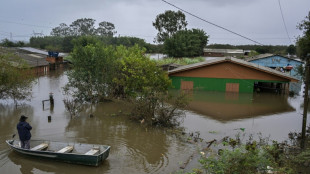
Nevertheless, "the big picture was alarming with regard to floods, severe... storms and wildfires in 2025", said Munich Re, a Germany-based provider of insurance for the insurance industry.
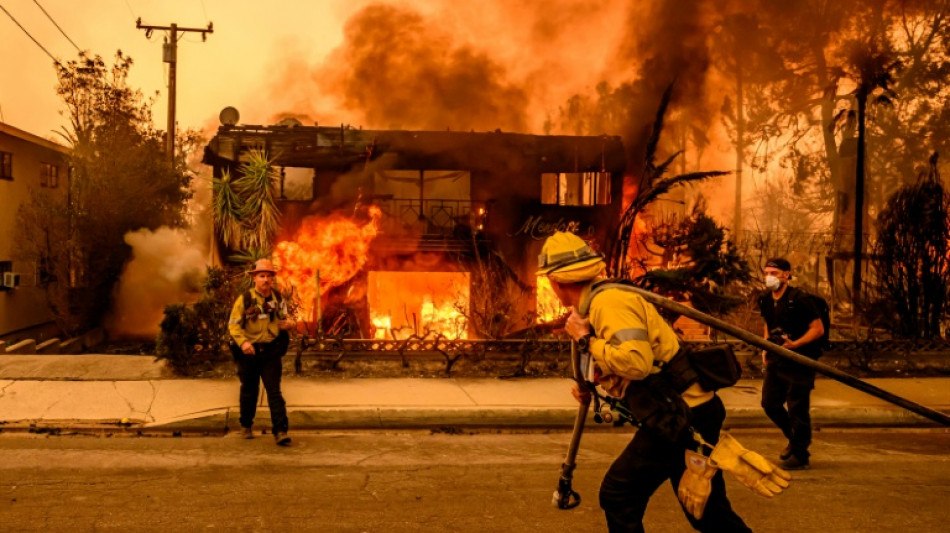
The costliest disaster of the year came in the form of Los Angeles wildfires in January, with total losses of $53 billion and insured losses of around $40 billion, Munich Re said in its annual disaster report.
It was striking how many extreme events were likely influenced by climate change in 2025 and it was just chance that the world was spared potentially higher losses, according to the group.
"The planet has a fever, and as a result we are seeing a cluster of severe and intense weather events," Tobias Grimm, Munich Re's chief climate scientist, told AFP.
Last month Swiss Re, another top player in the reinsurance industry, also reported a hefty drop for 2025, putting total losses at $220 billion.
According to Munich Re's report, insured losses for 2025 came in at $108 billion, also sharply down on last year.
Around 17,200 lives were lost in natural disasters worldwide, significantly higher than about 11,000 in 2024, but below the 10-year average of of 17,800, it said.
Grimm said 2025 was a year with "two faces".
"The first half of the year was the costliest loss period the insurance industry has ever experienced," he said -- but the second half saw the lowest losses in a decade.
- LA wildfires, Myanmar quake -
It is now the cumulative costs of smaller-scale disasters -- like local floods and forest fires -- that are having the greatest impact.
Losses from these events amounted to $166 billion last year, according to Munich Re.
After the LA wildfires, the costliest disaster of the year was a devastating earthquake that hit Myanmar in March, which is estimated to have caused $12 billion in losses, only a small share of which was insured.
Tropical cyclones caused around $37 billion in losses.
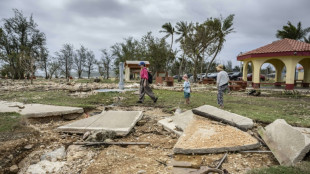
Jamaica was battered by Hurricane Melissa, one of the strongest hurricanes ever to make landfall, generating losses of around $9.8 billion.
By region, the United States' total losses amounted to $118 billion, $88 billion of which was insured -- around the same as an estimate of $115 billion total losses from US nonprofit Climate Central.
The Asia-Pacific region had losses of about $73 billion -- but only $9 billion was insured, according to the report.
Australia had its second most expensive year in terms of overall losses from natural disasters since 1980 due to a series of severe storms and flooding.
Europe saw losses of $11 billion. Natural disasters in Africa led to losses of $3 billion, less than a fifth of which was insured.
The report comes at a time when scepticism towards green policies is growing, particularly since the return to power of US President Donald Trump, who derides climate science as a "hoax".
But Grimm warned that the Earth "continues to warm".
"More heat means more humidity, stronger rainfall, and higher wind speeds -- climate change is already contributing to extreme weather," he said.
C.López--ECdLR