
PIE DE IMPRENTA
AVISO LEGAL DE «EL COMERCIO DE LA REPÚBLICA»
Última actualización: 29 de octubre de 2026
Entidad editora y prestadora del servicio
«EL COMERCIO DE LA REPÚBLICA», en adelante también «ELCRP», es una publicación digital de la división de medios de comunicación de SCANDIC TRUST GROUP LLC, entidad responsable de su actividad editorial y de la prestación de los servicios que ofrece en nombre propio.
SCANDIC TRUST GROUP LLC
IQ Business Centre
Bolsunovska Street 13–15
Kyiv — 01014 / Ucrania
Correo electrónico: [email protected]
Colaboración y soporte técnico
La colaboración y el soporte técnico se articulan con:
SCANDIC ASSETS FZCO
Dubai Silicon Oasis DDP
Building A1/A2
Dubái — 342001
Emiratos Árabes Unidos
Teléfono: +971 54 221 5217
Colaboración comercial
La colaboración comercial se desarrolla con:
LEGIER Beteiligungs mbH
Kurfürstendamm 14
10719 Berlín
República Federal de Alemania
Registro Mercantil: HRB 57837
Órgano registral: Amtsgericht Charlottenburg, Berlín
Número de identificación a efectos del IVA: DE413445833
Teléfono: +49 30 99211 3469
Teléfono adicional: +49 30 99211 3225
Correo electrónico: [email protected]
Distribución de funciones y responsabilidades
SCANDIC TRUST GROUP LLC desempeña las funciones operativas y editoriales de «EL COMERCIO DE LA REPÚBLICA». La colaboración técnica de SCANDIC ASSETS FZCO y la colaboración comercial de LEGIER Beteiligungs mbH no modifican por sí mismas la identidad de la entidad editora ni de la parte contratante identificada en cada servicio. Cada entidad responde de sus propias actuaciones y de las obligaciones que le correspondan conforme a la legislación aplicable.
Dirección editorial y responsable de contenidos
La dirección editorial corresponde a Steven Snyder, en calidad de Editor-in-Chief / director editorial. Las solicitudes relativas a contenidos, aclaraciones y rectificaciones pueden dirigirse a su atención mediante los siguientes datos de contacto, sin perjuicio de las formalidades legales aplicables.
Steven Snyder — Dirección editorial
EL COMERCIO DE LA REPÚBLICA
c/o SCANDIC TRUST GROUP LLC
IQ Business Centre
Bolsunovska Street 13–15
Kyiv — 01014 / Ucrania
Correo electrónico: [email protected]
Objeto y ámbito del aviso legal
Este aviso identifica a la entidad editora y establece las condiciones generales relativas a la actividad informativa, los contenidos y los servicios de «EL COMERCIO DE LA REPÚBLICA». Sus disposiciones se interpretan conforme al marco peruano cuando resulte aplicable por razón de la actividad, sus destinatarios o los efectos producidos en el Perú. La localización internacional de las entidades participantes no excluye las normas imperativas que correspondan.
Fundamentos constitucionales de la actividad periodística
La actividad periodística se desarrolla con respeto a la Constitución Política del Perú, especialmente a las libertades de información, opinión, expresión y difusión reconocidas en su artículo 2, inciso 4. Estas libertades protegen la comunicación de noticias e ideas y el derecho del público a recibirlas, sin autorización previa ni censura, con las responsabilidades previstas por el ordenamiento constitucional.
Información histórica y naturaleza de la publicación actual
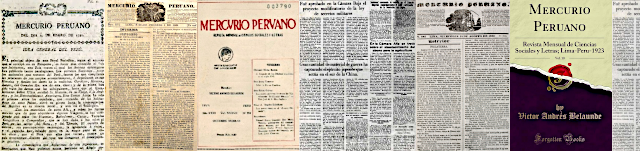
Entre los antecedentes de la prensa peruana figura el «Mercurio Peruano», cuyo primer número apareció el 2 de enero de 1791; el 2 de enero de 2026 se cumplieron 235 años de aquella publicación. Esta referencia histórica no acredita una transformación de aquella cabecera en «EL COMERCIO DE LA REPÚBLICA». La publicación actual se presenta como un medio digital contemporáneo, sin atribuirse por esta referencia una continuidad editorial, identidad jurídica o sucesión empresarial histórica.
Perfil editorial y cobertura informativa
«EL COMERCIO DE LA REPÚBLICA» es una publicación de orientación liberal-conservadora cuya línea editorial corresponde a sus responsables editoriales. Ofrece información sobre política, economía, cultura, sociedad, derechos civiles, participación ciudadana y acontecimientos internacionales, con especial atención al Perú y a Lima. Publica principalmente en español y ofrece contenidos seleccionados en inglés, alemán, italiano, portugués y francés. Su oferta digital está concebida para el acceso durante las veinticuatro horas del día.
Principios editoriales y deontológicos
La actividad informativa se orienta por la independencia, la diligencia profesional, la identificación de las fuentes cuando proceda y la distinción entre hechos, opiniones, publicidad y comunicaciones de terceros. Las colaboraciones firmadas expresan las posiciones de sus autores. La existencia de una orientación editorial no dispensa de comprobar las afirmaciones fácticas ni justifica la manipulación de documentos, imágenes, declaraciones o datos.
Jurisprudencia sobre información, opinión y veracidad
En la sentencia del Expediente N.º 0905-2001-AA/TC, de 14 de agosto de 2002, el Tribunal Constitucional distinguió la información sobre hechos de la expresión de opiniones. Los hechos comunicados están sujetos a exigencias de veracidad; los juicios de valor no se verifican del mismo modo. Esta distinción orienta la identificación de noticias y comentarios y exige valorar la información en su contexto, sin equiparar toda imprecisión secundaria con una falsedad sustancial.
Límites de la crítica y protección del honor
El Acuerdo Plenario N.º 3-2006/CJ-116, de 13 de octubre de 2006, de la Corte Suprema, desarrolla criterios para resolver conflictos entre los delitos contra el honor y las libertades de expresión e información. La relevancia pública, la diligencia en la comprobación y la distinción entre hechos y valoraciones son elementos esenciales. La crítica a autoridades y asuntos públicos admite intensidad, pero no convierte el insulto gratuito o la imputación deliberadamente falsa en ejercicio legítimo del periodismo.
Declaraciones de terceros y reportaje neutral
La reproducción de declaraciones ajenas debe permitir identificar quién las formula y distinguirlas de las afirmaciones asumidas por el medio. La doctrina del reportaje neutral examinada en el Acuerdo Plenario N.º 3-2006/CJ-116 exige atender a la fidelidad de la reproducción y a su presentación. La atribución de una acusación a un tercero no constituye una exención automática de responsabilidad ni autoriza a presentar como probado lo que únicamente ha sido denunciado.
Intimidad, imagen, voz y correspondencia
Los artículos 14 a 16 del Código Civil peruano, aprobado por el Decreto Legislativo N.º 295, protegen la intimidad, la imagen, la voz y determinadas comunicaciones confidenciales. El uso informativo de imágenes debe examinarse conforme a las autorizaciones y excepciones legales y a la protección del honor. Como criterio editorial, que una fotografía sea accesible en una red social no se considera por sí solo autorización general para cualquier reutilización.
Interés público y vida privada
La notoriedad de una persona no elimina su vida privada. La jurisprudencia constitucional, incluida la doctrina del Expediente N.º 06712-2005-HC/TC, distingue la relevancia pública de la mera curiosidad sobre aspectos íntimos. «EL COMERCIO DE LA REPÚBLICA» atenderá a la relación entre la información difundida y el asunto de interés general, evitando considerar que la veracidad de un dato íntimo basta, por sí sola, para justificar su publicación.
Información sobre investigaciones y procedimientos judiciales
La cobertura distinguirá entre denuncia, investigación, acusación y condena, identificando el estado del procedimiento conocido al publicarse. Las imputaciones se atribuirán a su fuente y no se presentarán automáticamente como hechos probados. Cuando una resolución posterior modifique sustancialmente el sentido de una noticia, se valorará su actualización para evitar que una información históricamente correcta produzca una impresión actual engañosa.
Derecho de rectificación
El derecho de rectificación se rige por la Ley N.º 26775, modificada por la Ley N.º 26847. La solicitud debe dirigirse al director por conducto notarial u otro medio fehaciente dentro de los quince días naturales posteriores a la publicación. Para medios de difusión diaria, la rectificación procede dentro de los siete días siguientes a su recepción, conforme a los requisitos legales. Su publicación es gratuita y debe referirse a los hechos cuestionados. Contacto: [email protected].
Jurisprudencia sobre la forma de rectificar
La sentencia del Expediente N.º 03362-2004-AA/TC, de 29 de agosto de 2006, desarrolla las exigencias de gratuidad, inmediatez y proporcionalidad. La rectificación debe alcanzar una relevancia adecuada respecto de la información original y publicarse sin intercalaciones que desvirtúen su contenido. Su ejercicio no depende de obtener previamente una condena indemnizatoria contra el medio. Las solicitudes serán examinadas atendiendo a estos criterios y a las circunstancias de la publicación.
Correcciones y actualización de contenidos
Además de las rectificaciones legalmente exigibles, podrán corregirse errores materiales, aclararse expresiones ambiguas e incorporarse acontecimientos posteriores relevantes. Las modificaciones sustanciales procurarán preservar la comprensión de lo originalmente publicado y de su actualización. La fecha de una noticia identifica su contexto temporal; no significa que todos los hechos relatados permanezcan inalterados indefinidamente.
Archivos periodísticos y derecho al olvido
En el Expediente N.º 03041-2021-PHD/TC, resuelto el 17 de junio de 2022, el Tribunal Constitucional examinó el derecho al olvido y su relación con la libertad de información. Las solicitudes sobre noticias archivadas requieren valorar su exactitud, los cambios posteriores relevantes y el interés público. El transcurso del tiempo no determina por sí solo la eliminación de información periodística; pueden resultar pertinentes medidas de actualización o contextualización, según el caso.
Secreto profesional y protección de las fuentes
El artículo 2, inciso 18, de la Constitución protege el secreto profesional. En el Expediente N.º 0134-2003-HD/TC, de 20 de septiembre de 2004, el Tribunal Constitucional reconoció su aplicación a los periodistas y rechazó utilizar el hábeas data para obligar a un medio a revelar sus fuentes. «EL COMERCIO DE LA REPÚBLICA» preservará la confidencialidad de las fuentes protegidas conforme a este marco constitucional.
Independencia editorial y protección interamericana
En Ivcher Bronstein vs. Perú, sentencia de 6 de febrero de 2001, la Corte Interamericana de Derechos Humanos examinó restricciones indirectas a la libertad de expresión mediante la interferencia en el control de un medio. Esta jurisprudencia refuerza la protección de la independencia editorial y del derecho de la sociedad a recibir información. Los vínculos comerciales y técnicos de «EL COMERCIO DE LA REPÚBLICA» no atribuyen por sí mismos a terceros facultades de censura sobre su actividad periodística.
Responsabilidad por los contenidos
La responsabilidad se determina conforme a las normas aplicables y a las circunstancias de cada actuación. Los artículos 1969, 1984 y 1985 del Código Civil regulan, entre otros aspectos, la reparación de daños causados por dolo o culpa y del daño moral. Este aviso no establece una inmunidad general por la publicación de contenidos ni excluye responsabilidades imperativas mediante la mera atribución de una información a terceros.
Comunicación de posibles vulneraciones de derechos
Las comunicaciones sobre posibles vulneraciones pueden remitirse a [email protected], indicando el contenido afectado, su ubicación, el derecho invocado y los elementos necesarios para examinar la solicitud. Se evitará solicitar información personal innecesaria. Este canal no impone una renuncia a la asistencia letrada ni sustituye los requisitos específicos de una rectificación, reclamación administrativa o acción judicial.
Enlaces externos
Los enlaces permiten acceder a fuentes, documentos y servicios de terceros. Su inclusión no implica necesariamente adhesión a todas las afirmaciones contenidas en las páginas enlazadas. Las comunicaciones fundadas sobre destinos ilícitos serán examinadas y podrán motivar la retirada del enlace u otras medidas pertinentes. La responsabilidad por enlazar se determinará conforme al caso concreto y a las normas aplicables.
Foros y contenidos de usuarios
«EL COMERCIO DE LA REPÚBLICA» no gestiona foros propios. Si se habilitaran comentarios u otras funciones de participación, se comunicarían sus condiciones de uso y los mecanismos de atención de incidencias. La publicación de aportaciones de terceros requerirá respetar los derechos de las personas afectadas y las obligaciones legales correspondientes.
Publicidad y separación del contenido editorial
El Decreto Legislativo N.º 1044, Ley de Represión de la Competencia Desleal, exige respetar la autenticidad de la publicidad. Su artículo 16 contempla la identificación del contenido publicitario y prohíbe encubrirlo bajo apariencia informativa. Los anuncios, publirreportajes y contenidos comerciales deberán presentarse con una identificación clara y próxima al contenido. Las afirmaciones publicitarias quedan igualmente sujetas a las normas sobre actos de engaño y a las restricciones sectoriales aplicables.
Servicios contratados y protección del consumidor
Cuando se ofrezcan servicios sujetos al Código de Protección y Defensa del Consumidor, Ley N.º 29571, deberán comunicarse claramente la identidad del proveedor, las características de la prestación, el precio total y las condiciones relevantes. Los contratos y condiciones particulares respetarán los derechos imperativos del consumidor y las obligaciones de información e idoneidad. La denominación utilizada para un cliente no prevalece sobre la calificación que resulte de la ley.
Libro de Reclamaciones y atención de reclamos
Cuando corresponda por la actividad desarrollada, el proveedor deberá disponer del Libro de Reclamaciones y facilitar su acceso conforme al Código del Consumidor y su reglamentación. La Ley N.º 32495 incluye expresamente las plataformas digitales de comercio electrónico. Los reclamos y quejas deben atenderse en un máximo de quince días hábiles, improrrogables, conforme a la Ley N.º 31435 y al Decreto Supremo N.º 101-2022-PCM. Un correo de contacto no sustituye por sí solo al Libro exigible.
Autoridad competente en materia de consumo
El Instituto Nacional de Defensa de la Competencia y de la Protección de la Propiedad Intelectual — Indecopi ejerce las competencias que le atribuye el ordenamiento en protección del consumidor, competencia desleal y propiedad intelectual. La presentación de una comunicación al medio no impide acudir a los mecanismos administrativos o judiciales disponibles. Información institucional: www.gob.pe/indecopi.
Servicios informativos y audiovisuales
La oferta informativa y audiovisual comprende, según las licencias y acuerdos correspondientes, materiales de AFP — Agence France-Presse; APA — Austria Press Agency; REUTERS — Thomson Reuters Corp.; PTI — Press Trust of India; EuroNews; ANSA — Agenzia Nazionale Stampa Associata; Adnkronos; SID; Xinhua; AP — Associated Press; CORBIS — Unity Glory; VCG — Visual China Group; ANI — Asian News International; NOTIFIED; Polska Agencja Prasowa; y Yonhap News Agency. Las atribuciones y condiciones de utilización de cada proveedor deberán respetarse.
Distribución internacional de noticias empresariales


ThomsonReuters OnePass / PressPass by businesswire a BERKSHIRE-HATHAWAY COMPANY / AP-CONTENT:
A través de los acuerdos de distribución correspondientes, «EL COMERCIO DE LA REPÚBLICA» ofrece servicios de difusión de noticias empresariales destinados a circuitos informativos internacionales vinculados, entre otros, a Fráncfort — XFRA, Frankfurter Wertpapierbörse y Xetra; Nueva York — NYSE; Tokio — Tokyo Stock Exchange; Londres — London Stock Exchange; Kyodo News; SIX Swiss Exchange; la Bolsa de Viena; y Shanghai Stock Exchange. El alcance de cada servicio depende de lo contratado y no garantiza la publicación por terceros ni el cumplimiento automático de obligaciones de información bursátil.
Infraestructura técnica y seguridad de los servidores
La infraestructura técnica indicada para «EL COMERCIO DE LA REPÚBLICA» comprende recursos en Boston, Estados Unidos, y Kuala Lumpur, Malasia, con servicios vinculados a ASPECTRA — Convotis Swiss Cloud / CONVOTIS Schweiz AG, Suiza, así como soluciones de Iron Mountain y Darktrace. Las medidas de seguridad deben adecuarse a los riesgos e incluir, según corresponda, cifrado, control de acceso, supervisión y copias de respaldo. No se garantiza una invulnerabilidad absoluta ni la disponibilidad ininterrumpida de todos los sistemas.
Protección de datos personales
El tratamiento sujeto a la legislación peruana se rige por la Ley N.º 29733, Ley de Protección de Datos Personales, y por su Reglamento, aprobado mediante el Decreto Supremo N.º 016-2024-JUS, vigente desde el 31 de marzo de 2025. Deben respetarse los principios de legalidad, finalidad, proporcionalidad, calidad y seguridad, así como las reglas sobre consentimiento y sus excepciones.
Responsable del tratamiento e información específica
SCANDIC TRUST GROUP LLC actúa como responsable respecto de los tratamientos cuyos fines y medios determina. Las consultas sobre estos tratamientos pueden dirigirse a [email protected]. La información facilitada al recoger datos debe concretar las finalidades, los destinatarios, el carácter obligatorio o facultativo de su entrega, las transferencias previstas y los medios para ejercer los derechos correspondientes. Los tratamientos realizados por otras entidades deberán identificar al responsable que corresponda.
Datos personales y ejercicio del periodismo
El artículo 14, numeral 12, de la Ley N.º 29733 contempla una excepción al consentimiento cuando el tratamiento se realiza en ejercicio constitucionalmente válido de la libertad de información. Esta excepción no equivale a una exclusión general del periodismo del régimen de protección de datos. La publicación de datos personales exige examinar su relación con la finalidad informativa y los derechos afectados, criterio recogido también en la jurisprudencia constitucional.
Derechos de información, acceso, rectificación, cancelación y oposición
Las solicitudes pueden remitirse a [email protected], con la identificación necesaria. El artículo 69 del Reglamento fija plazos máximos de ocho días hábiles para información, veinte para acceso y diez para rectificación, cancelación u oposición, contados desde el día siguiente a la solicitud. Salvo para información, cabe una ampliación justificada por una sola vez y hasta un plazo igual, comunicada antes del vencimiento. Se aplicarán las reglas sobre subsanación cuando corresponda.
Autoridad de protección de datos y tutela de derechos
La autoridad competente es la Autoridad Nacional de Protección de Datos Personales — ANPD, del Ministerio de Justicia y Derechos Humanos del Perú. Las personas afectadas pueden utilizar los procedimientos de tutela o denuncia que correspondan y acudir al hábeas data cuando concurran sus requisitos. La solicitud ante el responsable y las actuaciones posteriores se sujetan al procedimiento aplicable. Información y formularios oficiales: www.gob.pe/anpd.
Cookies y tecnologías similares
Cuando las cookies u otras tecnologías permitan tratar datos personales, deberán respetarse las obligaciones peruanas de información y consentimiento que resulten aplicables. La Opinión Consultiva N.º 02-2022-JUS/DGTAIPD de la ANPD aborda expresamente estos tratamientos. Las finalidades publicitarias o de seguimiento que requieran consentimiento deberán explicarse de forma comprensible y permitir una decisión válida. La mera continuación de la navegación no se considerará, por sí sola, autorización para cualquier tratamiento.
Proveedores técnicos y transferencias internacionales
El acceso a datos por proveedores y su transferencia al extranjero deben contar con una base jurídica y las garantías exigibles. La contratación de alojamiento no acredita por sí sola el cumplimiento de estas obligaciones. Cuando corresponda, deberán establecerse compromisos de confidencialidad, seguridad, tratamiento y devolución o eliminación de los datos, así como cumplir las obligaciones peruanas relativas al registro de los flujos transfronterizos.
Derechos de autor y reutilización de contenidos
Los contenidos protegidos se rigen por el Decreto Legislativo N.º 822, Ley sobre el Derecho de Autor. Su reproducción, distribución, transformación o comunicación pública requiere autorización cuando no resulte aplicable una excepción legal. El artículo 44 permite citas de obras lícitamente divulgadas, indicando autor y fuente, conforme a los usos honrados y en la medida justificada por su finalidad. La mención de la fuente no autoriza por sí sola la reproducción íntegra de una obra.
Materiales y colaboraciones no solicitados
El envío de textos, imágenes, documentos u otros materiales no garantiza su publicación ni genera automáticamente un derecho a remuneración. Quien los remita deberá disponer de los derechos necesarios e indicar las restricciones de uso o las necesidades de confidencialidad. La recepción de un material no se interpretará como una cesión ilimitada de derechos. Las condiciones de una colaboración profesional se establecerán mediante el acuerdo correspondiente.
Protección de niñas, niños y adolescentes
La información sobre menores atenderá a su interés superior y a la protección de su identidad, imagen y vida privada. El artículo 6 del Código de los Niños y Adolescentes, Ley N.º 27337, contiene restricciones específicas para identificar a menores vinculados con infracciones o delitos como víctimas, autores, partícipes o testigos. Las excepciones legalmente previstas deben examinarse con especial cautela; la autorización de un adulto no elimina la exigencia de respetar el interés superior del menor.
Disponibilidad y naturaleza de la información
Los contenidos periodísticos reflejan la información disponible en su contexto de publicación. Los servicios pueden experimentar interrupciones por mantenimiento, incidencias técnicas o circunstancias ajenas al control razonable del prestador. La información general no constituye una prestación individualizada de asesoramiento jurídico, médico, financiero o profesional. Estas precisiones no excluyen las obligaciones de diligencia ni los derechos que correspondan a quienes contraten servicios.
Derecho aplicable y resolución de controversias
La ley aplicable y la competencia de las autoridades se determinarán conforme a las normas de competencia judicial, derecho internacional privado y protección imperativa que correspondan a cada relación. Este aviso no establece una sumisión exclusiva general a tribunales extranjeros ni limita el acceso a las autoridades peruanas cuando sean competentes. Las condiciones particulares de un servicio deberán respetar estas reglas.
Versiones lingüísticas y actualización
Este aviso se facilita en español y en inglés. Ambas versiones deben interpretarse de forma coherente; las denominaciones oficiales de las leyes y las resoluciones peruanas corresponden a sus textos en español. Las modificaciones posteriores se identificarán mediante la fecha de actualización y no alterarán retroactivamente los derechos adquiridos ni las obligaciones imperativas.
© 2026 «EL COMERCIO DE LA REPÚBLICA».
Todos los derechos reservados, sin perjuicio de las excepciones y limitaciones legales.
Versión de 29 de octubre de 2026.
LEGAL NOTICE OF “EL COMERCIO DE LA REPÚBLICA”
Last updated: 29 October 2026
Publisher and service provider
“EL COMERCIO DE LA REPÚBLICA”, also referred to as “ELCRP”, is a digital publication of the media division of SCANDIC TRUST GROUP LLC, the entity responsible for its publishing activities and for services provided in its own name.
SCANDIC TRUST GROUP LLC
IQ Business Centre
Bolsunovska Street 13–15
Kyiv — 01014
Ukraine
Email: [email protected]
Technical cooperation and support
Technical cooperation and support are provided in collaboration with:
SCANDIC ASSETS FZCO
Dubai Silicon Oasis DDP
Building A1/A2
Dubai — 342001
United Arab Emirates
Telephone: +971 54 221 5217
Commercial cooperation
Commercial cooperation is conducted with:
LEGIER Beteiligungs mbH
Kurfürstendamm 14
10719 Berlin
Federal Republic of Germany
Commercial Register: HRB 57837
Registration authority: Amtsgericht Charlottenburg, Berlin
VAT identification number: DE413445833
Telephone: +49 30 99211 3469
Additional telephone: +49 30 99211 3225
Email: [email protected]
Allocation of functions and responsibilities
SCANDIC TRUST GROUP LLC performs the operational and editorial functions of “EL COMERCIO DE LA REPÚBLICA”. Technical cooperation with SCANDIC ASSETS FZCO and commercial cooperation with LEGIER Beteiligungs mbH do not, in themselves, change the identity of the publisher or the contracting party identified for a particular service. Each entity remains responsible for its own conduct and for the obligations imposed on it by applicable law.
Editorial management and responsibility for content
Editorial management is entrusted to Steven Snyder, acting as Editor-in-Chief. Requests concerning content, clarifications and rectification may be addressed to him using the following contact details, subject to any applicable statutory formalities.
Steven Snyder — Editorial Management
EL COMERCIO DE LA REPÚBLICA
c/o SCANDIC TRUST GROUP LLC
IQ Business Centre
Bolsunovska Street 13–15
Kyiv — 01014 / Ukraine
Email: [email protected]
Purpose and scope of this legal notice
This notice identifies the publisher and sets out general provisions concerning the reporting activities, content and services of “EL COMERCIO DE LA REPÚBLICA”. Its provisions are interpreted within the Peruvian legal framework where that framework applies by reason of the activity, its intended recipients or its effects in Peru. The international location of the participating entities does not exclude applicable mandatory rules.
Constitutional foundations of journalism
Journalistic activities are conducted with respect for the Political Constitution of Peru, particularly the freedoms of information, opinion, expression and dissemination recognised in Article 2(4). These freedoms protect the communication of news and ideas and the public’s right to receive them, without prior authorisation or censorship, subject to the responsibilities established by the constitutional legal order.
Historical context and nature of the current publication
The history of the Peruvian press includes “Mercurio Peruano”, first published on 2 January 1791; 2 January 2026 marked its 235th anniversary. This historical reference does not establish that the earlier publication became “EL COMERCIO DE LA REPÚBLICA”. The present publication is a contemporary digital medium and does not claim historical editorial continuity, legal identity or business succession on the strength of that reference.
Editorial profile and news coverage
“EL COMERCIO DE LA REPÚBLICA” is a publication with a liberal-conservative orientation whose editorial direction is determined by its editorial management. It covers politics, economics, culture, society, civil rights, civic participation and international affairs, with particular attention to Peru and Lima. It publishes primarily in Spanish and offers selected content in English, German, Italian, Portuguese and French. Its digital offering is designed for access around the clock.
Editorial and ethical principles
Reporting is guided by independence, professional diligence, identification of sources where appropriate and a clear distinction between facts, opinions, advertising and third-party communications. Signed contributions express their authors’ positions. An editorial orientation does not remove the need to verify factual assertions or justify the manipulation of documents, images, statements or data.
Case law on information, opinion and truthfulness
In its judgment in Case No. 0905-2001-AA/TC, dated 14 August 2002, the Constitutional Court distinguished factual reporting from the expression of opinions. Reported facts are subject to requirements of truthfulness; value judgments are not verified in the same way. This distinction guides the identification of news and commentary and requires information to be assessed in context, without treating every minor inaccuracy as a substantial falsehood.
Limits of criticism and protection of reputation
The Supreme Court’s Plenary Agreement No. 3-2006/CJ-116, dated 13 October 2006, develops criteria for resolving conflicts between offences against honour and the freedoms of expression and information. Public relevance, diligent verification and the distinction between facts and value judgments are essential considerations. Criticism of public authorities and public affairs may be forceful, but gratuitous insults or deliberately false accusations do not become legitimate journalism on that basis.
Third-party statements and neutral reporting
The reproduction of another person’s statements should identify their source and distinguish them from assertions adopted by the publication. The neutral reporting doctrine examined in Plenary Agreement No. 3-2006/CJ-116 requires attention to faithful reproduction and presentation. Attributing an accusation to a third party does not automatically exclude liability or permit an allegation to be presented as an established fact.
Privacy, image, voice and correspondence
Articles 14–16 of the Peruvian Civil Code, enacted by Legislative Decree No. 295, protect privacy, image, voice and certain confidential communications. The use of images for reporting must be assessed against statutory permissions, exceptions and protection of reputation. As an editorial standard, the availability of a photograph on a social network is not treated as general permission for unrestricted reuse.
Public interest and private life
A person’s public prominence does not extinguish their private life. Constitutional case law, including the principles developed in Case No. 06712-2005-HC/TC, distinguishes public relevance from curiosity about intimate matters. “EL COMERCIO DE LA REPÚBLICA” will consider the relationship between the information disclosed and the matter of public interest. The truth of an intimate detail will not, by itself, be treated as sufficient justification for publication.
Reporting on investigations and judicial proceedings
Coverage will distinguish between a complaint, investigation, accusation and conviction, identifying the procedural position known at publication. Allegations will be attributed to their sources and will not automatically be presented as proven facts. Where a subsequent decision materially changes the significance of a report, an update will be considered to prevent historically accurate information from creating a misleading present-day impression.
Right of rectification
The right of rectification is governed by Law No. 26775, as amended by Law No. 26847. Requests must reach the editor through a notarial or other reliably evidenced channel within fifteen calendar days after publication. For daily media, rectification is due within seven days following receipt, subject to statutory requirements. Publication is free of charge and must concern the disputed facts. Contact: [email protected].
Case law on the manner of rectification
The judgment in Case No. 03362-2004-AA/TC, dated 29 August 2006, develops the requirements of free publication, promptness and proportionality. A rectification must receive appropriate prominence in relation to the original report and be published without interposed material that distorts its substance. Exercising this right does not depend on first obtaining a damages judgment against the publication. Requests will be assessed in light of these principles and the circumstances of publication.
Corrections and updates
In addition to legally required rectifications, material errors may be corrected, ambiguous wording clarified and relevant subsequent developments added. Substantial amendments should preserve an understanding of both the original report and its update. The date of a news report identifies its temporal context; it does not mean that every reported circumstance remains unchanged indefinitely.
News archives and the right to be forgotten
In Case No. 03041-2021-PHD/TC, decided on 17 June 2022, the Constitutional Court examined the right to be forgotten and its relationship with freedom of information. Requests concerning archived reporting require consideration of accuracy, relevant subsequent changes and public interest. The passage of time alone does not require the deletion of journalistic information; updating or contextualising a report may be appropriate, depending on the circumstances.
Professional secrecy and protection of sources
Article 2(18) of the Constitution protects professional secrecy. In Case No. 0134-2003-HD/TC, dated 20 September 2004, the Constitutional Court recognised its application to journalists and rejected the use of habeas data proceedings to compel a publication to disclose its sources. “EL COMERCIO DE LA REPÚBLICA” will preserve the confidentiality of protected sources within this constitutional framework.
Editorial independence and Inter-American protection
In Ivcher Bronstein v. Peru, judgment of 6 February 2001, the Inter-American Court of Human Rights examined indirect restrictions on freedom of expression through interference with control of a media organisation. This case reinforces protection of editorial independence and society’s right to receive information. The commercial and technical relationships of “EL COMERCIO DE LA REPÚBLICA” do not, in themselves, grant third parties powers of censorship over its journalism.
Responsibility for content
Liability is determined under applicable rules and the circumstances of each act. Articles 1969, 1984 and 1985 of the Civil Code govern, among other matters, compensation for intentional or negligent harm and non-pecuniary damage. This notice creates no general immunity for published content and does not exclude mandatory liability merely by attributing information to another source.
Reporting possible infringements of rights
Communications concerning possible infringements may be sent to [email protected], identifying the content, its location, the right concerned and the information needed to assess the request. Unnecessary personal information should not be requested. This contact channel does not require anyone to waive legal representation or replace the specific requirements for rectification, an administrative complaint or court proceedings.
External links
Links provide access to third-party sources, documents and services. Their inclusion does not necessarily endorse every statement on the linked pages. Substantiated notifications concerning unlawful destinations will be assessed and may result in removal of the link or other appropriate action. Liability arising from linking will be determined according to the circumstances and applicable rules.
Forums and user content
“EL COMERCIO DE LA REPÚBLICA” does not operate its own forums. If comments or other participation features are introduced, their terms of use and procedures for reporting concerns will be communicated. Publishing third-party contributions requires respect for the rights of affected persons and the corresponding legal obligations.
Advertising and separation from editorial content
Legislative Decree No. 1044, the Law on the Repression of Unfair Competition, requires advertising to respect the principle of authenticity. Article 16 addresses the identification of advertising and prohibits disguising it as news. Advertisements, advertorials and commercial content must carry clear identification close to the material concerned. Advertising claims are also subject to rules on misleading practices and applicable sector-specific restrictions.
Contracted services and consumer protection
Where services fall within the Consumer Protection and Defence Code, Law No. 29571, the provider’s identity, the service characteristics, the total price and relevant conditions must be clearly communicated. Contracts and specific terms must respect mandatory consumer rights and obligations concerning information and fitness for the agreed purpose. The label assigned to a customer does not override their legal classification.
Complaints Book and handling of complaints
Where required for the activity concerned, the provider must maintain a Libro de Reclamaciones — Complaints Book and make it accessible under the Consumer Code and its regulations. Law No. 32495 expressly includes digital e-commerce platforms. Claims and complaints must be answered within fifteen business days, without extension, under Law No. 31435 and Supreme Decree No. 101-2022-PCM. An email address alone does not replace a legally required Complaints Book.
Competent consumer authority
The National Institute for the Defence of Competition and the Protection of Intellectual Property — Indecopi exercises its statutory powers concerning consumer protection, unfair competition and intellectual property. Contacting the publication does not prevent access to available administrative or judicial procedures. Institutional information: www.gob.pe/indecopi.
News and audiovisual services
The news and audiovisual offering includes, subject to the relevant licences and agreements, material from AFP — Agence France-Presse; APA — Austria Press Agency; REUTERS — Thomson Reuters Corp.; PTI — Press Trust of India; EuroNews; ANSA — Agenzia Nazionale Stampa Associata; Adnkronos; SID; Xinhua; AP — Associated Press; CORBIS — Unity Glory; VCG — Visual China Group; ANI — Asian News International; NOTIFIED; Polska Agencja Prasowa; and Yonhap News Agency. Each provider’s attribution requirements and conditions of use must be respected.
International distribution of corporate news
ThomsonReuters OnePass / PressPass by businesswire a BERKSHIRE-HATHAWAY COMPANY / AP-CONTENT:
Through the relevant distribution agreements, “EL COMERCIO DE LA REPÚBLICA” offers corporate news distribution services intended for international information networks connected, among others, with Frankfurt — XFRA, Frankfurter Wertpapierbörse and Xetra; New York — NYSE; Tokyo — Tokyo Stock Exchange; London — London Stock Exchange; Kyodo News; SIX Swiss Exchange; the Vienna Stock Exchange; and Shanghai Stock Exchange. The scope of each service depends on the agreement and does not guarantee third-party publication or automatic fulfilment of securities disclosure obligations.
Technical infrastructure and server security
The technical infrastructure specified for “EL COMERCIO DE LA REPÚBLICA” includes resources in Boston, United States, and Kuala Lumpur, Malaysia, with services associated with ASPECTRA — Convotis Swiss Cloud / Convotis Schweiz AG, Switzerland, together with Iron Mountain and Darktrace solutions. Security measures must reflect the relevant risks and include encryption, access controls, monitoring and backups where appropriate. Absolute invulnerability and uninterrupted availability of every system are not guaranteed.
Personal data protection
Processing subject to Peruvian law is governed by Law No. 29733, the Personal Data Protection Law, and its Regulation, approved by Supreme Decree No. 016-2024-JUS, effective since 31 March 2025. The principles of lawfulness, purpose limitation, proportionality, data quality and security must be respected, together with the rules on consent and statutory exceptions.
Controller and specific privacy information
SCANDIC TRUST GROUP LLC acts as controller for processing whose purposes and means it determines. Enquiries concerning that processing may be sent to [email protected]. Information provided when collecting data must specify the purposes, recipients, whether provision is mandatory or optional, anticipated transfers and ways to exercise the relevant rights. Processing carried out by other entities must identify the appropriate controller.
Personal data and journalism
Article 14(12) of Law No. 29733 provides an exception to consent where processing constitutes a constitutionally valid exercise of freedom of information. This does not generally exempt journalism from data protection law. Publishing personal data requires consideration of its relationship to the reporting purpose and the rights affected, an approach also reflected in constitutional case law.
Rights to information, access, rectification, cancellation and objection
Requests may be sent to [email protected] with necessary identification. Article 69 sets maximum response periods of eight business days for information, twenty for access and ten for rectification, cancellation or objection, starting the day after submission. Except for information requests, one justified extension of up to the same duration is permitted if notified before expiry. Rules on completing deficient requests apply where relevant.
Data protection authority and remedies
The competent authority is the National Authority for Personal Data Protection — ANPD, within Peru’s Ministry of Justice and Human Rights. Affected persons may use the applicable rights-protection or complaint procedures and pursue habeas data proceedings where the requirements are met. Requests to the controller and subsequent proceedings are governed by the relevant procedural rules. Official information and forms: www.gob.pe/anpd.
Cookies and similar technologies
Where cookies or other technologies process personal data, applicable Peruvian information and consent requirements must be respected. The ANPD’s Advisory Opinion No. 02-2022-JUS/DGTAIPD specifically addresses such processing. Advertising or tracking purposes requiring consent must be explained understandably and allow a valid decision. Continued browsing alone will not be treated as authorisation for unrestricted processing.
Technical providers and international transfers
Provider access to data and transfers abroad require an appropriate legal basis and the necessary safeguards. A hosting agreement alone does not demonstrate compliance. Where applicable, arrangements must address confidentiality, security, processing and the return or deletion of data, together with Peruvian requirements concerning registration of cross-border data flows.
Copyright and reuse of content
Protected content is governed by Legislative Decree No. 822, the Copyright Law. Reproduction, distribution, adaptation or communication to the public requires permission unless a statutory exception applies. Article 44 permits quotations from lawfully disclosed works, identifying the author and source, consistently with fair practice and to the extent justified by their purpose. Crediting the source does not, by itself, authorise reproduction of an entire work.
Unsolicited materials and contributions
Submitting text, images, documents or other material does not guarantee publication or automatically create an entitlement to payment. Contributors must hold the necessary rights and identify any restrictions on use or confidentiality requirements. Receipt of material will not be interpreted as an unlimited assignment of rights. Professional contributions will be governed by the relevant agreement.
Protection of children and adolescents
Reporting involving minors will respect their best interests and protect their identity, image and private life. Article 6 of the Code of Children and Adolescents, Law No. 27337, contains specific restrictions on identifying minors involved in offences or crimes as victims, perpetrators, participants or witnesses. Statutory exceptions require particular care; adult authorisation does not remove the requirement to respect the child’s best interests.
Availability and nature of information
Journalistic content reflects the information available in its publication context. Services may be interrupted by maintenance, technical incidents or circumstances beyond the provider’s reasonable control. General information does not constitute individual legal, medical, financial or other professional advice. These qualifications do not exclude duties of care or the rights of customers purchasing services.
Applicable law and dispute resolution
Applicable law and jurisdiction will be determined under the rules on judicial competence, private international law and mandatory protection relevant to each relationship. This notice does not impose general exclusive jurisdiction on foreign courts or restrict access to Peruvian authorities where they are competent. Specific service terms must respect these rules.
Language versions and updates
This notice is provided in Spanish and English. Both versions should be interpreted consistently; the official names and wording of Peruvian legislation and judgments are those of their Spanish texts. Subsequent amendments will be identified by the update date and will not retrospectively alter acquired rights or mandatory obligations.
© 2026 “EL COMERCIO DE LA REPÚBLICA”.
All rights reserved, subject to statutory exceptions and limitations.